For decades, biohackers and longevity researchers have searched for compounds capable of improving metabolic health without requiring extreme lifestyle interventions. Today, utilizing berberine for blood sugar management has attracted massive attention, especially as people discover this bright yellow alkaloid extracted from plants like barberry and goldenseal.
Often referred to in the American wellness and biohacking community as “Nature’s Metformin,” berberine has become one of the most discussed supplements for blood sugar regulation, metabolic optimization, and healthy aging. While the comparison to metformin is not perfect, the nickname exists for a reason: both compounds influence cellular energy pathways associated with glucose metabolism and longevity.
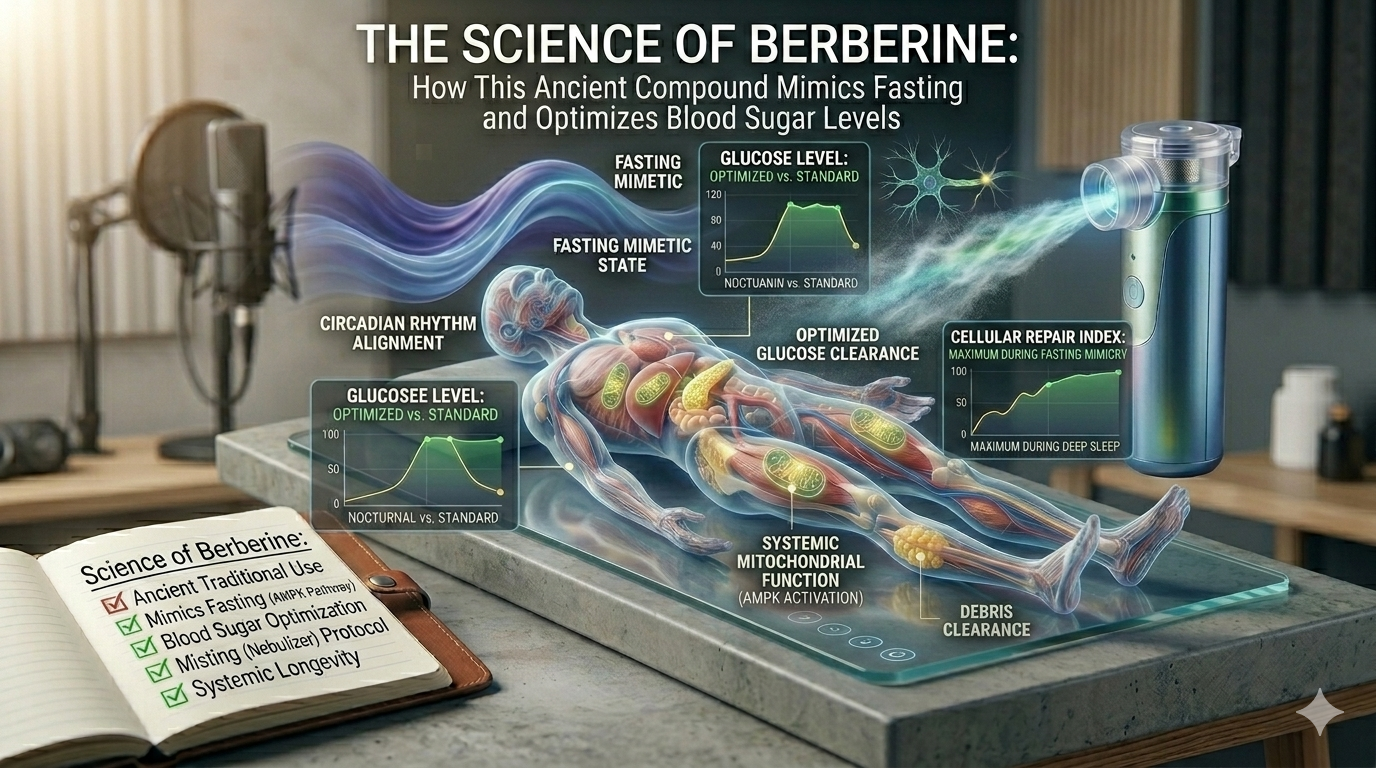
What makes berberine especially fascinating is its ability to activate a metabolic pathway that resembles what occurs during fasting or calorie restriction. This mechanism centers around AMPK — a master metabolic enzyme strongly associated with energy balance, fat oxidation, insulin sensitivity, and cellular repair.
As interest in intermittent fasting, metabolic flexibility, and lifespan optimization continues to grow in the United States, berberine has emerged as a compelling tool for individuals looking to support healthy glucose levels, reduce metabolic stress, and improve overall resilience.
Table of Contents
What Is Berberine?
Berberine is a naturally occurring bioactive compound classified as an isoquinoline alkaloid. It has been used for centuries in traditional herbal systems, particularly in Ayurvedic and Traditional Chinese Medicine, primarily for digestive and antimicrobial purposes.
Modern research, however, has expanded interest in berberine far beyond digestive health. Scientists now study it for its effects on:
- Blood glucose regulation
- Insulin sensitivity
- Lipid metabolism
- Gut microbiome balance
- Inflammation control
- Longevity pathways
- Cellular energy production
Its rise in popularity within the American supplement industry is largely tied to the increasing awareness of berberine for blood sugar control and metabolic dysfunction as root contributors to aging..
The Biological Mechanism: How Berberine Activates AMPK
At the center of berberine’s metabolic effects is an enzyme called AMP-activated protein kinase, commonly known as AMPK.
AMPK is often described as the body’s “metabolic master switch.” It monitors cellular energy levels and helps determine whether the body should store energy or burn it.
When energy levels drop — such as during fasting, exercise, or calorie restriction — AMPK becomes activated. Once activated, the body shifts toward a more efficient metabolic state designed to conserve energy and improve survival.
Berberine appears to stimulate many of these same pathways.
What Happens When AMPK Is Activated?
When AMPK activity increases, the body begins to:
- Improve insulin sensitivity
- Increase glucose uptake into cells
- Enhance fat oxidation
- Reduce excess glucose production in the liver
- Promote mitochondrial efficiency
- Trigger cellular cleanup processes like autophagy
- Reduce inflammatory signaling
This is why berberine is frequently compared to the physiological effects of intermittent fasting.
In simple terms, berberine helps “trick” the body into behaving as if it is in a low-energy state — even when food is available. This metabolic shift may explain many of its longevity-associated benefits.
Berberine for Blood Sugar and Insulin Sensitivity
One of the primary reasons Americans use Berberine is its potential impact on blood glucose control.
Modern diets high in refined carbohydrates and ultra-processed foods have contributed to widespread insulin resistance — a condition in which cells become less responsive to insulin signaling. Over time, this can lead to unstable blood sugar levels, energy crashes, increased fat storage, and eventually type 2 diabetes.
Berberine supports metabolic health through multiple mechanisms simultaneously.
How to Use Berberine for Blood Sugar Balance
Research suggests berberine may help:
- Increase insulin sensitivity
- Reduce glucose production in the liver
- Improve glucose transport into muscle cells
- Slow carbohydrate absorption in the intestines
- Enhance glycolysis (the breakdown of glucose for energy)
- Reduce post-meal blood sugar spikes
This multi-target approach is part of what makes berberine unique compared to many conventional supplements.
Why Stable Blood Sugar Matters for Longevity
Frequent glucose spikes can accelerate biological aging through processes such as:
- Glycation damage
- Oxidative stress
- Chronic inflammation
- Mitochondrial dysfunction
By improving glycemic control, incorporating berberine for blood sugar stability may help reduce the metabolic wear and tear associated with aging..
Many longevity experts now view blood sugar stability as one of the most important biomarkers for healthy aging.
Berberine and Metabolic Flexibility
Another key concept in biohacking is metabolic flexibility — the body’s ability to efficiently switch between burning carbohydrates and fats for fuel.
Poor metabolic flexibility is associated with:
- Fatigue
- Brain fog
- Weight gain
- Cravings
- Reduced endurance
Because berberine activates AMPK and improves insulin signaling, it may help support a more adaptable metabolism capable of utilizing energy more efficiently.
Cellular Autophagy and Longevity Pathways
One of the most exciting areas of longevity research involves autophagy — the body’s internal cellular recycling system.
What Is Autophagy?
Autophagy is a natural process where damaged cellular components are identified, broken down, and recycled.
\text{Autophagy} \rightarrow \text{Cellular Cleanup and Renewal}
Think of it as cellular housekeeping.
Efficient autophagy helps remove:
- Damaged proteins
- Dysfunctional mitochondria
- Cellular debris
- Oxidized compounds
This process is essential for maintaining cellular efficiency and resilience over time.
The Connection Between AMPK and Autophagy
AMPK activation is strongly associated with increased autophagy signaling.
During fasting, the body naturally increases autophagy because nutrients are scarce. Cells shift from growth mode into repair mode.
Berberine appears to partially mimic this fasting-related metabolic state by stimulating AMPK pathways linked to cellular maintenance and repair.
Potential Longevity Benefits
Researchers are investigating whether berberine may support healthy aging by influencing pathways associated with:
- Mitochondrial health
- Oxidative stress reduction
- Inflammatory regulation
- Cellular resilience
- Energy production efficiency
Although no supplement can “stop aging,” compounds that support metabolic efficiency and cellular cleanup may contribute to healthier aging trajectories.
Mitochondrial Support
Mitochondria are often called the “powerhouses of the cell,” but they are also deeply connected to longevity.
When mitochondria become dysfunctional, cells generate more oxidative stress and less usable energy.
By activating AMPK and improving metabolic signaling, berberine may help promote:
- Better mitochondrial efficiency
- Improved ATP production
- Reduced metabolic stress
- Enhanced cellular energy regulation
This is one reason berberine is increasingly discussed alongside fasting protocols and mitochondrial optimization strategies in the American biohacking community.
Gut Microbiome Optimization and Digestive Health
Emerging research suggests that many of berberine’s benefits may also involve the gut microbiome.
The gut microbiome refers to the trillions of microorganisms living within the digestive tract. These microbes influence:
- Immune function
- Inflammation
- Digestion
- Mood
- Hormone regulation
- Metabolism
An unhealthy microbiome has been linked to obesity, insulin resistance, and chronic inflammation.
How Berberine Influences the Gut
Berberine possesses natural antimicrobial properties that may help reshape microbial balance within the gut environment.
Unlike harsh antibiotics that can broadly eliminate bacteria, berberine appears to have more selective effects.
Potential gut-related benefits include:
- Supporting healthier bacterial diversity
- Reducing harmful microbial overgrowth
- Improving intestinal barrier function
- Supporting digestion and nutrient absorption
- Reducing low-grade inflammation
The Gut-Metabolism Connection
Scientists increasingly recognize that metabolic health and gut health are deeply interconnected.
Certain gut bacteria influence:
- Blood sugar regulation
- Fat storage
- Appetite signaling
- Inflammation levels
By improving microbial balance, targeted berberine for blood sugar protocols may indirectly enhance insulin sensitivity.
Digestive Benefits
Historically, berberine was used for gastrointestinal support because of its effects on microbial balance and intestinal function.
Some users report improvements in:
- Bloating
- Digestive discomfort
- Irregular bowel patterns
- Food sensitivity symptoms
However, digestive responses vary considerably depending on dosage and individual tolerance.
Dosage, Timing, and Bioavailability
One challenge with Berberine is its relatively poor natural bioavailability.
This means the body does not absorb large amounts at once, which is why dosing strategies matter.
Common Dosages Discussed in U.S. Research
The most commonly referenced dosage pattern in scientific literature is:
- 500 mg taken 2–3 times daily
- Usually before major meals
- Total daily intake often ranges between 1,000–1,500 mg
Why Doses Are Split Throughout the Day
Because berberine has a relatively short half-life and limited absorption, smaller divided doses may help maintain more consistent metabolic effects.
This approach may also reduce digestive side effects.
Best Practices for Supplementation
Many functional nutrition practitioners recommend:
- Taking berberine 15–30 minutes before meals
- Starting with a lower dose initially
- Gradually increasing intake if tolerated
- Pairing it with lifestyle strategies like:
- Resistance training
- Intermittent fasting
- Lower-glycemic nutrition
- Adequate sleep
Bioavailability Enhancers
Some modern formulations attempt to improve absorption through:
- Liposomal delivery systems
- Phytosome technology
- Combination with other plant compounds
However, research on advanced delivery methods is still evolving.
Safety Considerations and Potential Side Effects
Although Berberine is widely used, it is still a biologically active compound and should be approached responsibly.
Common Side Effects
Some individuals may experience:
- Digestive discomfort
- Cramping
- Constipation
- Diarrhea
- Nausea
These effects are often dose-dependent and may improve with gradual introduction.
Important Interactions
Berberine may interact with:
- Blood sugar medications
- Blood pressure medications
- Certain antibiotics
- Liver-metabolized drugs
Individuals with medical conditions or those taking prescription medications should consult a qualified healthcare professional before supplementation.
Pregnant and breastfeeding women are generally advised to avoid berberine unless specifically directed by a physician.
Berberine and the Future of Metabolic Longevity
The modern longevity movement increasingly focuses on metabolic health as a foundational pillar of aging well.
Rather than chasing superficial anti-aging solutions, researchers now emphasize:
- Blood sugar stability
- Mitochondrial function
- Cellular repair
- Inflammation control
- Metabolic flexibility
Berberine sits at the intersection of all these systems.
Its ability to activate AMPK — a pathway heavily associated with fasting and calorie restriction — makes it especially appealing to biohackers and longevity enthusiasts seeking science-backed metabolic support.
While berberine is not a replacement for proper nutrition, movement, sleep, or stress management, it may serve as a powerful complementary tool for individuals aiming to optimize metabolic resilience and long-term health.
Conclusion
Berberine has evolved from an ancient botanical compound into one of the most researched metabolic supplements in modern functional health.
Its growing popularity stems largely from its unique ability to activate AMPK, the body’s master metabolic regulator — a mechanism closely associated with fasting, improved insulin sensitivity, and cellular repair.
Key potential benefits include:
- Better blood sugar management
- Enhanced insulin sensitivity
- Support for metabolic flexibility
- Improved gut microbiome balance
- Activation of longevity-related cellular pathways
- Support for mitochondrial efficiency and autophagy
For individuals interested in biohacking, healthy aging, and metabolic optimization, berberine represents a fascinating bridge between traditional herbal medicine and modern longevity science.
As research continues to expand, berberine is likely to remain a central topic in conversations surrounding fasting mimetics, metabolic health, and the future of preventive wellness.
1 comentário em “The Science of Berberine: How This Ancient Compound Mimics Fasting and Optimizes Blood Sugar Levels”