Table of Contents
Fasting for Brainpower: The New Productivity Edge
For years, intermittent fasting was marketed primarily as a fat-loss strategy. But across Silicon Valley, Wall Street, and elite performance circles, utilizing fasting for brainpower has shifted the conversation dramatically. Today, fasting is increasingly viewed not as a weight-management trend, but as a cognitive optimization tool.
American professionals are no longer asking, “How can I lose weight fast?”
They’re asking:
- How can I stay mentally sharp for 10-hour workdays?
- How can I improve focus without relying on endless caffeine?
- How can I maintain cognitive performance as I age?
- How can I protect my brain from burnout and mental fatigue?
The answer many biohackers, neuroscientists, entrepreneurs, and longevity experts are exploring is intermittent fasting.
Emerging research suggests that strategic fasting may improve mental clarity, increase energy stability, enhance neuroplasticity, and stimulate the production of Brain-Derived Neurotrophic Factor (BDNF) — a protein often referred to as “fertilizer for the brain.”
When properly implemented, fasting creates a unique metabolic environment that encourages the brain to operate more efficiently. Instead of constantly depending on glucose spikes and crashes, the brain begins utilizing ketones, a cleaner and more stable fuel source associated with improved focus and mental endurance.
This metabolic shift doesn’t just influence short-term productivity. It may also play a critical role in long-term cognitive longevity, helping protect the brain against age-related decline.
In a culture overwhelmed by distraction, brain fog, overstimulation, and chronic stress, intermittent fasting has become one of the most powerful non-pharmaceutical strategies for upgrading mental performance.
The Science of Mental Clarity: Understanding the Metabolic Switch
From Sugar Burner to Fat Burner
To understand why fasting affects cognition so profoundly, we first need to understand the concept of the metabolic switch.
Under normal eating conditions, the body primarily runs on glucose derived from carbohydrates. Every meal raises blood sugar and stimulates insulin production. While glucose is an effective energy source, constantly feeding the body can trap the brain in an endless cycle of energy highs and lows.
This is why many people experience:
- Midday crashes
- Brain fog
- Poor concentration
- Energy instability
- Increased mental fatigue
During this metabolic switch, something remarkable happens.
Once glycogen stores deplete, practicing fasting for brainpower allows the body to transition into fat metabolism and generate clean fuel. The liver converts fatty acids into ketone bodies, primarily beta-hydroxybutyrate (BHB).
This process is known as the metabolic switch.
Why Ketones Are Premium Fuel for the Brain
Ketones are not merely an alternative fuel source. Many neuroscientists consider them a superior brain fuel under certain conditions.
Unlike glucose, ketones provide:
- More stable energy output
- Reduced oxidative stress
- Improved mitochondrial efficiency
- Lower inflammation
- Enhanced neurotransmitter balance
The brain consumes an enormous amount of energy. Although it represents only about 2% of body weight, it uses approximately 20% of the body’s energy supply.
When ketones become available, the brain often experiences a noticeable increase in mental clarity and sustained attention. Many individuals report:
- Sharper focus
- Faster thinking
- Improved verbal fluency
- Better emotional regulation
- Increased motivation
- Reduced “mental noise”
This is one reason why fasting has become popular among CEOs, programmers, writers, traders, and creative professionals who utilize targeted exogenous ketone supplements to sustain deep cognitive output for extended periods.
Fasting and Mitochondrial Efficiency
Another critical mechanism involves mitochondria — the microscopic energy-producing structures inside cells.
As humans age, mitochondrial efficiency declines. This contributes to fatigue, slower cognition, and neurodegeneration.
Fasting stimulates cellular stress adaptation pathways that encourage mitochondria to become more resilient and efficient. In neuroscience, this is often referred to as hormesis: a beneficial adaptation triggered by mild stress.
In simple terms, fasting challenges the brain in a way that ultimately strengthens it.
What Is BDNF? The “Brain Fertilizer” Behind Neuroplasticity
Understanding Brain-Derived Neurotrophic Factor
One of the most exciting neurological effects of fasting is its impact on BDNF (Brain-Derived Neurotrophic Factor).
BDNF is a protein that supports:
- Neuroplasticity
- Learning
- Memory formation
- Neuron survival
- Synaptic communication
- Cognitive resilience
Think of BDNF as fertilizer for your brain cells.
Higher BDNF levels help neurons grow, connect, and adapt more efficiently. This is essential for maintaining mental sharpness throughout life.
Low BDNF levels, on the other hand, have been associated with:
- Depression
- Cognitive decline
- Alzheimer’s disease
- Memory impairment
- Reduced learning capacity
How Fasting Stimulates BDNF Production
During fasting, the brain experiences a mild energetic challenge. In response, it activates survival and repair pathways that evolved over thousands of years of human adaptation.
One of these pathways increases BDNF expression.
From an evolutionary perspective, this makes sense.
Ancient humans needed heightened mental clarity during periods without food. When fasting, the brain became more alert, focused, and cognitively adaptive to improve survival odds during hunting and food-seeking behaviors.
Modern neuroscience suggests this same mechanism still exists today.
When you implement fasting for brainpower, the resulting ketone production stimulates signaling pathways associated with increased BDNF activity, creating immense structural advantages for your neurons.
This creates several potential cognitive advantages:
Enhanced Neuroplasticity
The brain becomes more adaptable and capable of forming new neural connections.
Improved Learning Capacity
Higher BDNF levels are strongly associated with faster learning and memory retention.
Protection Against Neurodegeneration
BDNF may help protect neurons against age-related decline and oxidative damage.
Better Mood and Emotional Stability
BDNF also plays a role in mood regulation and emotional resilience.
Fasting, Inflammation, and Cognitive Aging
Chronic Inflammation and Brain Decline
One of the greatest threats to long-term cognitive health is chronic inflammation.
Modern lifestyles often include:
- Constant eating
- Excess sugar intake
- Sleep deprivation
- Chronic stress
- Sedentary behavior
- Ultra-processed foods
These factors contribute to systemic inflammation, which can negatively affect the brain over time.
Neuroinflammation has been linked to:
- Brain fog
- Anxiety
- Depression
- Memory decline
- Alzheimer’s disease
How Intermittent Fasting Supports Brain Longevity
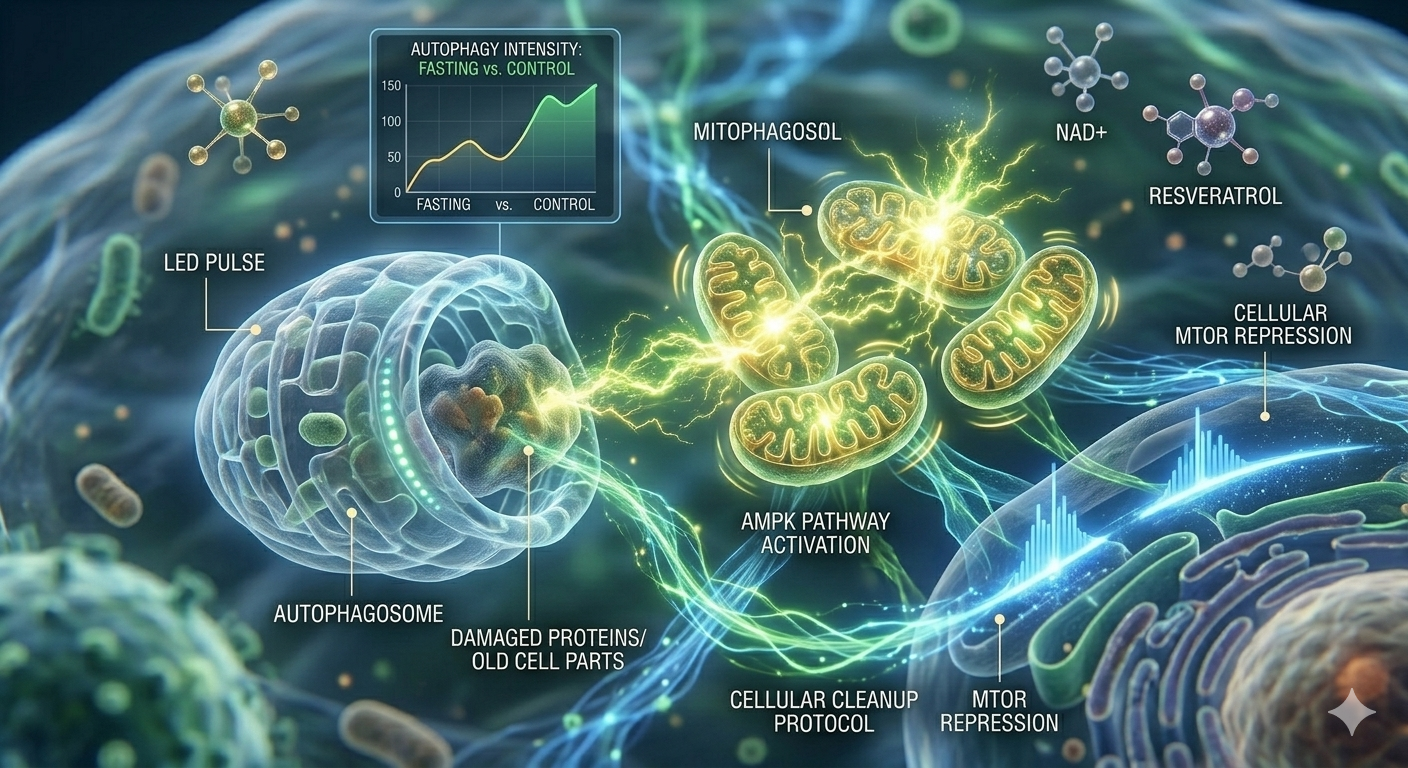
Fasting may reduce inflammatory signaling while enhancing cellular cleanup processes like autophagy.
Autophagy is essentially the body’s internal recycling system. During fasting, damaged cellular components are broken down and removed more efficiently.
This process may help maintain healthier neurons and improve long-term brain resilience.
Researchers are increasingly exploring fasting as a supportive strategy for healthy cognitive aging because it influences several interconnected systems simultaneously:
- Insulin sensitivity
- Oxidative stress
- mitochondrial health
- inflammation control
- neuroplasticity
- cellular repair
Rather than acting as a single-target intervention, fasting appears to improve the overall biological environment in which the brain operates.
The Fasting Workday Protocol: Structuring Your Day for Peak Brainpower
Why Timing Matters
One of the biggest mistakes people make with intermittent fasting is using it randomly.
For cognitive optimization, timing is everything.
The goal is to align your highest-focus fasting window with your most mentally demanding work.
Many professionals notice that their sharpest focus occurs between 14 and 18 hours into a fast. This shows why fasting for brainpower becomes a highly predictable performance tool when timed correctly.
The 16:8 Cognitive Performance Protocol
One of the most practical and sustainable fasting methods is the 16:8 protocol.
This involves:
- 16 hours fasting
- 8-hour eating window
Example schedule:
- Finish dinner at 8:00 PM
- Skip breakfast
- Break fast at 12:00 PM next day
This creates a prolonged fasting window during the morning — often the most cognitively demanding part of the workday.
Why Morning Fasting Can Improve Focus
Morning fasting helps many individuals avoid:
- Blood sugar crashes
- Post-meal sluggishness
- Energy fluctuations
- Excessive insulin spikes
Instead, the brain operates in a more stable neurochemical environment.
Many high performers report that deep work becomes easier during fasted mornings.
Tasks that may benefit include:
- Writing
- Strategic planning
- Coding
- Market analysis
- Creative problem-solving
- Public speaking preparation
- Studying
The Ideal Cognitive Fasting Schedule
Morning (Fast State)
Hydration Protocol
During fasting hours, prioritize:
- Water
- Electrolytes
- Black coffee
- Unsweetened tea
Hydration is critical because dehydration can mimic mental fatigue.
Deep Work Block
Schedule your most intellectually demanding tasks during this window.
Avoid multitasking.
Use the heightened focus state intentionally.
Midday (Breaking the Fast)
When breaking the fast, avoid ultra-processed foods and massive carbohydrate loads.
Instead prioritize:
- Protein
- Healthy fats
- Fiber-rich vegetables
- Omega-3 sources
Good examples include:
- Eggs with avocado
- Salmon salad
- Grass-fed beef with vegetables
- Greek yogurt with berries and nuts
Poor food choices after fasting can rapidly erase cognitive benefits by causing glucose spikes and lethargy.
Afternoon Performance Maintenance
After your first meal:
- Keep meals moderate
- Avoid excessive sugar
- Stay hydrated
- Take walking breaks
- Use caffeine strategically
The objective is sustained cognitive energy, not stimulation dependency.
Common Mistakes That Destroy Cognitive Benefits
1. Overeating After the Fast
Fasting is not an excuse for binge eating.
Large meals can cause:
- Brain fog
- fatigue
- sluggishness
- reduced productivity
2. Poor Sleep
Sleep deprivation significantly reduces cognitive performance and BDNF production.
Fasting cannot compensate for chronic sleep debt.
3. Excessive Stress
Fasting is a mild stressor. Combined with severe emotional stress, overtraining, or burnout, it may become counterproductive.
Context matters.
4. Using Fasting as Punishment
The most effective fasting protocols are strategic and sustainable — not extreme.
Consistency outperforms intensity.
Who Should Be Cautious With Intermittent Fasting?
Although intermittent fasting can be beneficial for many people, it is not appropriate for everyone.
Individuals who should consult a healthcare professional before fasting include:
- Pregnant or breastfeeding women
- Individuals with eating disorder histories
- People with diabetes using medication
- Individuals with certain metabolic disorders
- Underweight individuals
- People with chronic medical conditions
Biohacking should always prioritize safety and long-term sustainability.
Final Thoughts on Fasting for Brainpower
Intermittent fasting is no longer just a body-composition tool.
For millions of high-performing professionals, it has evolved into a neurological optimization strategy designed to improve focus, mental clarity, emotional stability, and long-term cognitive resilience.
The science behind fasting and brain performance is compelling because it connects multiple systems simultaneously:
- Ketone metabolism
- BDNF production
- neuroplasticity
- inflammation control
- mitochondrial efficiency
- cellular repair
In an age dominated by distraction, overstimulation, and mental exhaustion, fasting offers something increasingly rare: cognitive simplicity.
It teaches the brain to operate efficiently rather than constantly depending on stimulation and frequent feeding.
You do not necessarily need exotic supplements, expensive nootropics, or endless caffeine to improve mental performance.
Sometimes, the most powerful cognitive intervention is simply giving the brain a strategic break from constant consumption.
For professionals seeking deeper focus, greater resilience, and long-term brain longevity, intermittent fasting may be one of the most effective tools available.
The key is to approach it intelligently, consistently, and with a performance-oriented mindset.
2 comentários em “Fasting for Brainpower: How Intermittent Fasting Triggers BDNF and Enhances Cognitive Longevity”